

TGC delivers nature connection activities to promote mental health to over 10,000 children in our north east London community who are experiencing one or more forms of disadvantage.
Islington and Hackney are among the most unequal places to live in the UK, where the incredibly wealthy and most socio-economically deprived (43% and 38% Islington children live in poverty) live alongside each other. Contributing to this economic disadvantage is a staggering lack of access to green space for children here which uniquely compounds the divide between urban children early on.
Since 2020, and Covid lockdowns, there has been a growing body of evidence for the mental health benefits of nature. A comprehensive report on this topic by the Mental Health Foundation in 2021 described nature as a “critical factor” in prevention of mental ill health - which makes the disparity in young, urban communities more concerning.
Working in partnership with local primary schools, we deliver a range of transformative outdoor, curriculum-based learning experiences that complement classroom learning, enhance children’s mental and physical health and wellbeing, and support concentration and academic engagement. The sessions offered also seek to inspire and encourage a lifelong connection and care for the natural environment, despite the limitations these young people face growing up in what have been coined ‘nature-deprived’ areas.
Andrew Colley, lecturer in special education at the Cass School of Education and Communities, explained in a 2016 article in The Guardian, “Giving SEN students that feeling of space, and the sensory stimulation that comes with being outdoors, is absolutely vital.” Schools in Islington however, where just under 5,000 children have SEN, sorely lack the space and facilities to deliver education in the outdoors. Teachers also tell us that they lack not only the knowledge and experience to deliver outdoor education, but also the confidence.
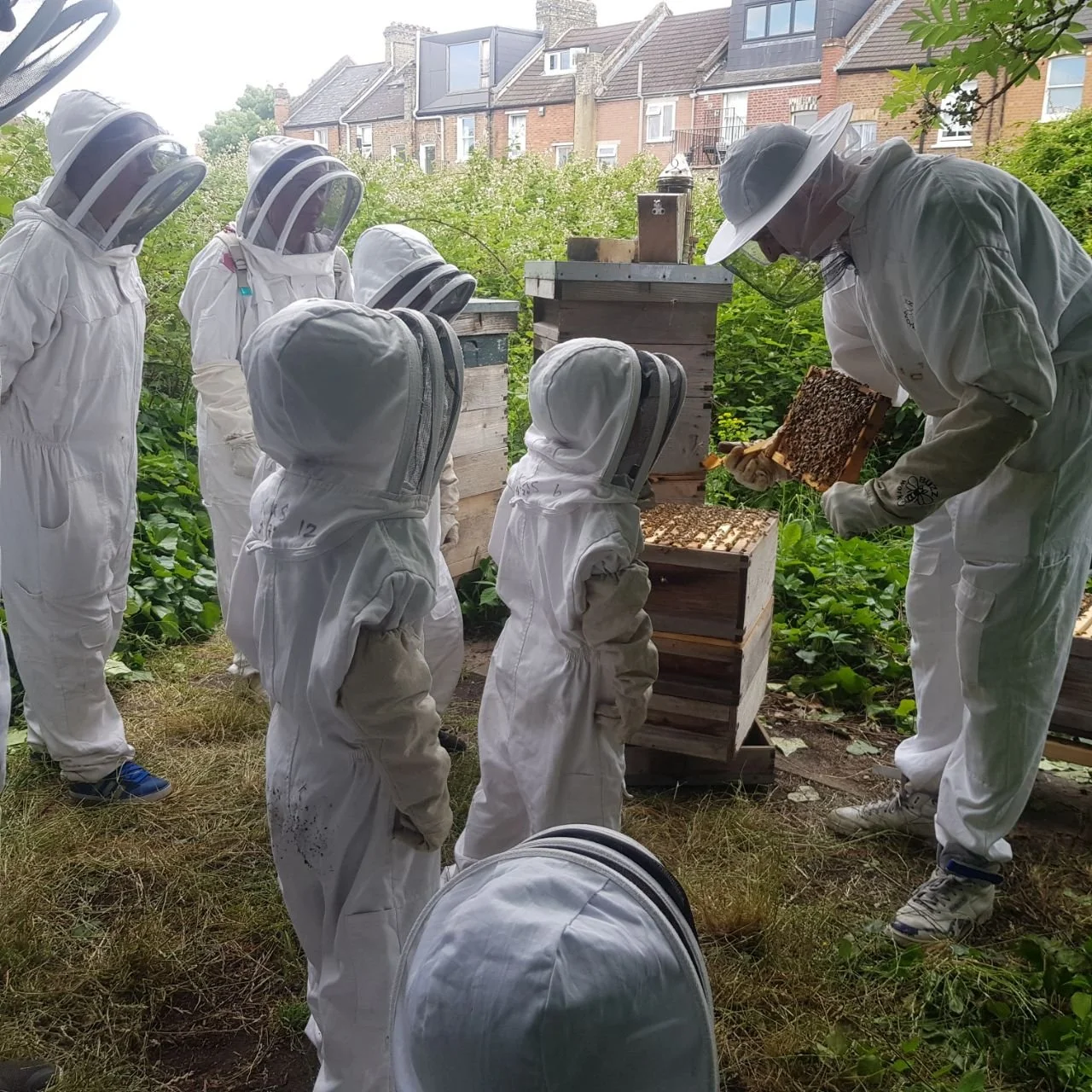
The Pixel Fund is generously supporting our new Power to the Pollinators project for SEND and 'nuture groups' identified by their school’s Pastoral team as having social, emotional and behavioural difficulties (SEBD). Children will attend three half-day sessions to explore the important role of pollinators in the real-life context of three different local urban green spaces.
Thank you, Pixel Fund!